With hostilities raging overseas during the Second World War, rationing became a reality to Canadians on at home. Food scarcity was a constant threat – the Canadian government encourage all its citizens to plant “victory gardens,” and to preserve what they could at harvesttime. “Farmerettes”—women who worked on farms during the war where men had enlisted and shipped overseas to fight—helped not only in sowing and reaping for Canadians here in Canada but tons of food were shipped to men fighting on the front lines.
Making do took on a whole new meaning – making do with old clothing, domestic appliances, car tires, etc.—expanded to learning to prepare healthy meals on rations. Women converted their family recipes to use less sugar, meat, and butter, to live within the strict control of foodstuffs mandated by the government.
When rationing ended after hostilities ceased, families could once more enjoy their treasured family recipes – recipes that have been passed down for decades. Because women made up the lion’s share of personnel employed on the home front, the Bomb Girls Legacy Foundation is striving to collect cherished family recipes.
Does your family have an old recipe book, perhaps an old version of Betty Crocker’s or worn recipe cards with lovely smudges of cinnamon and ginger smeared on dogeared corners? If so, we would love to hear from you. With your permission, we will gather up the recipes and produce a Bomb Girls Wartime Recipe book for all Canadians to enjoy.

Please note that if you do not give us permission to republish your heirloom recipe, it will not appear in print or in any other medium. Your family recipe’s title and who it is dedicated to, will be included in the book. Please note that if we receive several versions of the same recipe, i.e. Shepherd’s Pie, we will choose one to be included in the recipe book. Please be aware that the recipe book will be a fund-raiser to support all of Bomb Girls Legacy Foundation endeavours. The published book will be made available for purchase.
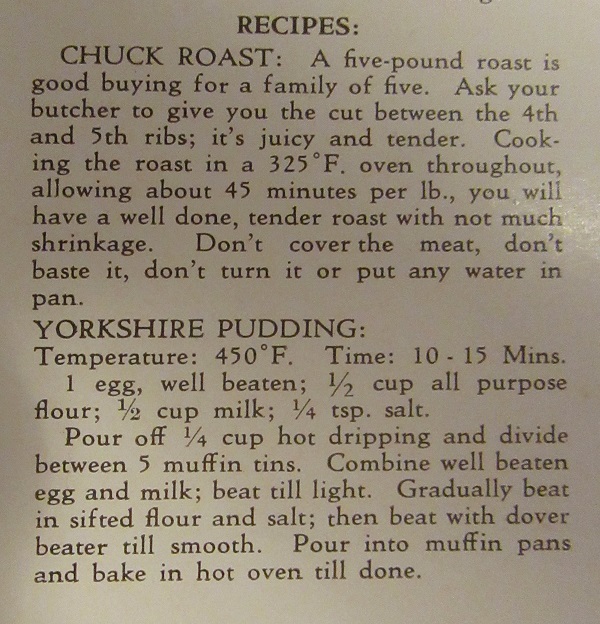
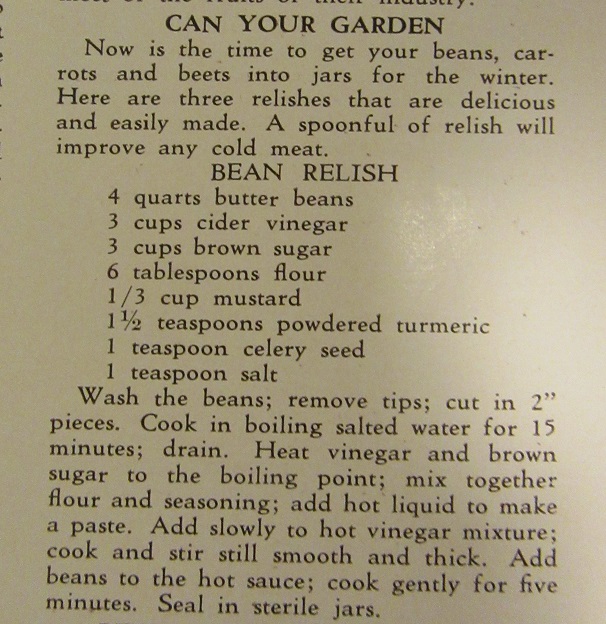
Please find below, two wartime recipes that were published
in GECO Fusilier to make rationing easier on its employees.